Best time to visit Marco Island — month-by-month guide
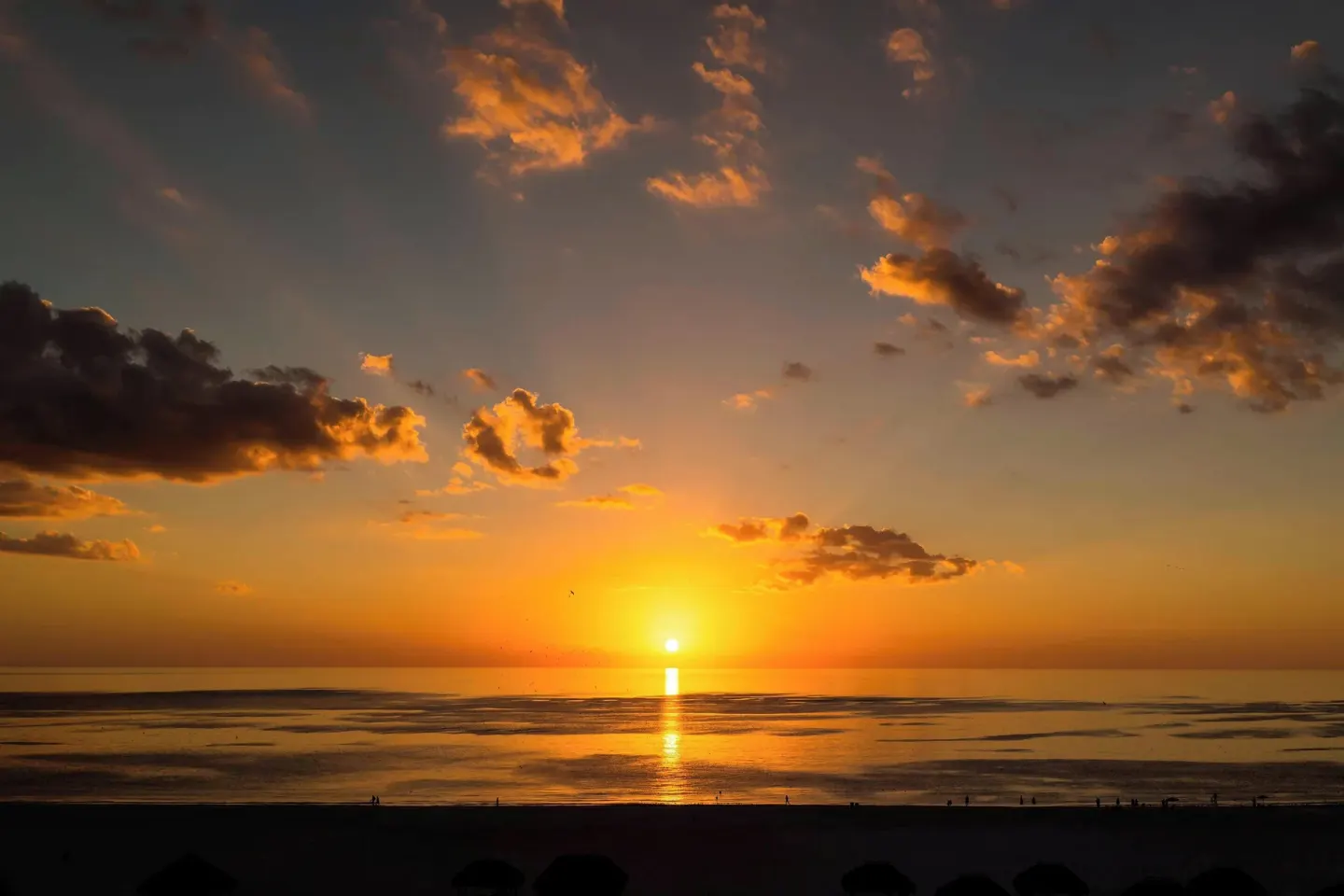
The best overall window to visit JW Marriott Marco Island Beach Resort is during the dry season from November through April for the nicest weather, calmer seas, and better wildlife viewing (manatees). For the warmest beach weather with lower prices, aim for the shoulder months of April and May or the wet-season low season from June through September if you want fewer crowds and better value.
In this guide
- Why timing matters at JW Marriott Marco Island Beach Resort
- January–February: Winter peak — steady weather and manatee season
- March–April: Best single-months for weather and activities
- May–June: Shoulder season — warm water and emerging storms
- July–August: Hottest months — families, summer activities and turtles
- September–October: Low season and quieter beaches — watch the weather
- November–December: Return to dry-season conditions and holiday demand
Why timing matters at JW Marriott Marco Island Beach Resort
Marco Island’s climate has a distinct dry season (roughly November–April) with lower rainfall, milder humidity, and calmer Gulf waters — that’s when the resort’s beach, pools, and watersports operate in their most predictable conditions.
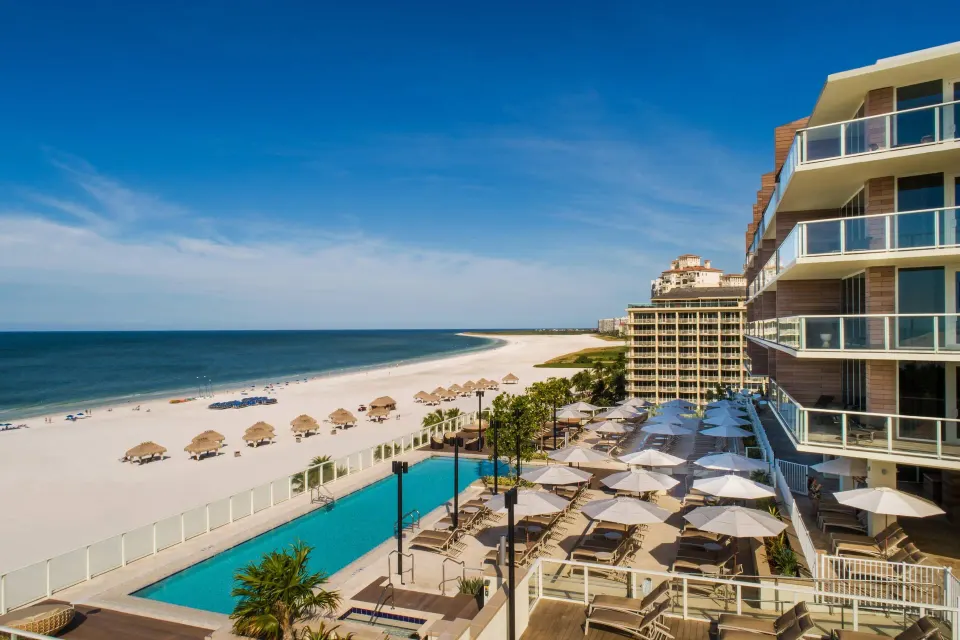
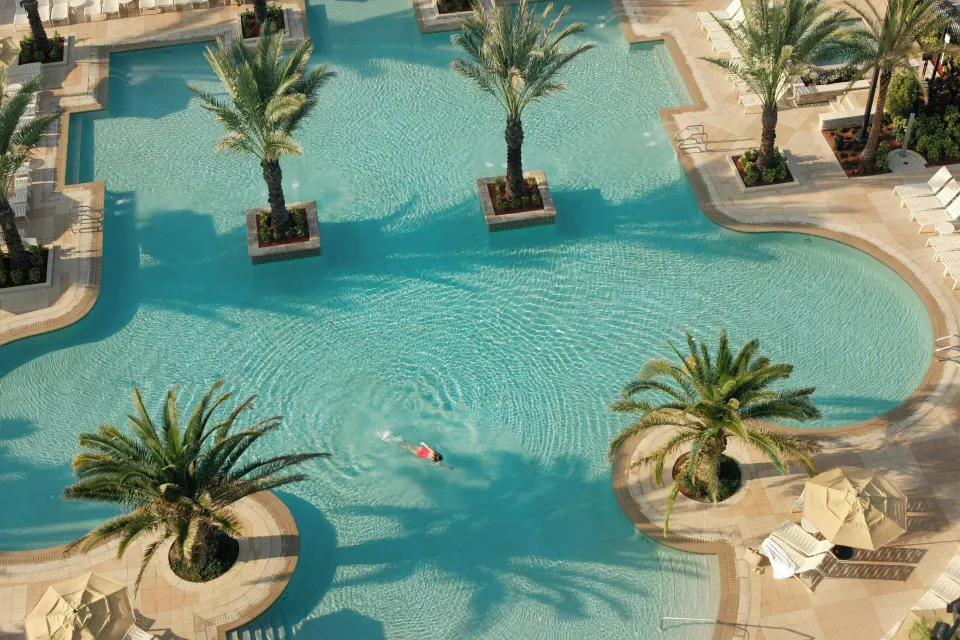
The resort is family-friendly year-round with three outdoor pools, a waterslide and a children's club, while Paradise by Sirene offers a 21+ enclave and rooftop pool for adults seeking quieter time.
If you need a specific room type, popular choices include Room, Balcony (Partial Gulf View), Gulf Front View, Guest room, Balcony and Terrace Suite, Suite, Balcony — these rooms will be in higher demand during the November–April period.
- Dry season (Nov–Apr): best weather, higher demand, easier boat excursions.
- Wet season (Jun–Sep): hotter, more afternoon storms, fewer crowds and better nightly rates.
- Hurricane season (Jun–Nov): tropical storms are possible; monitor forecasts if traveling in this window.
| Resort features | Year-round notes |
|---|---|
| Pools & waterslide | Open most of the year (outdoor pools typically open 8:00 AM–10:00 PM) |
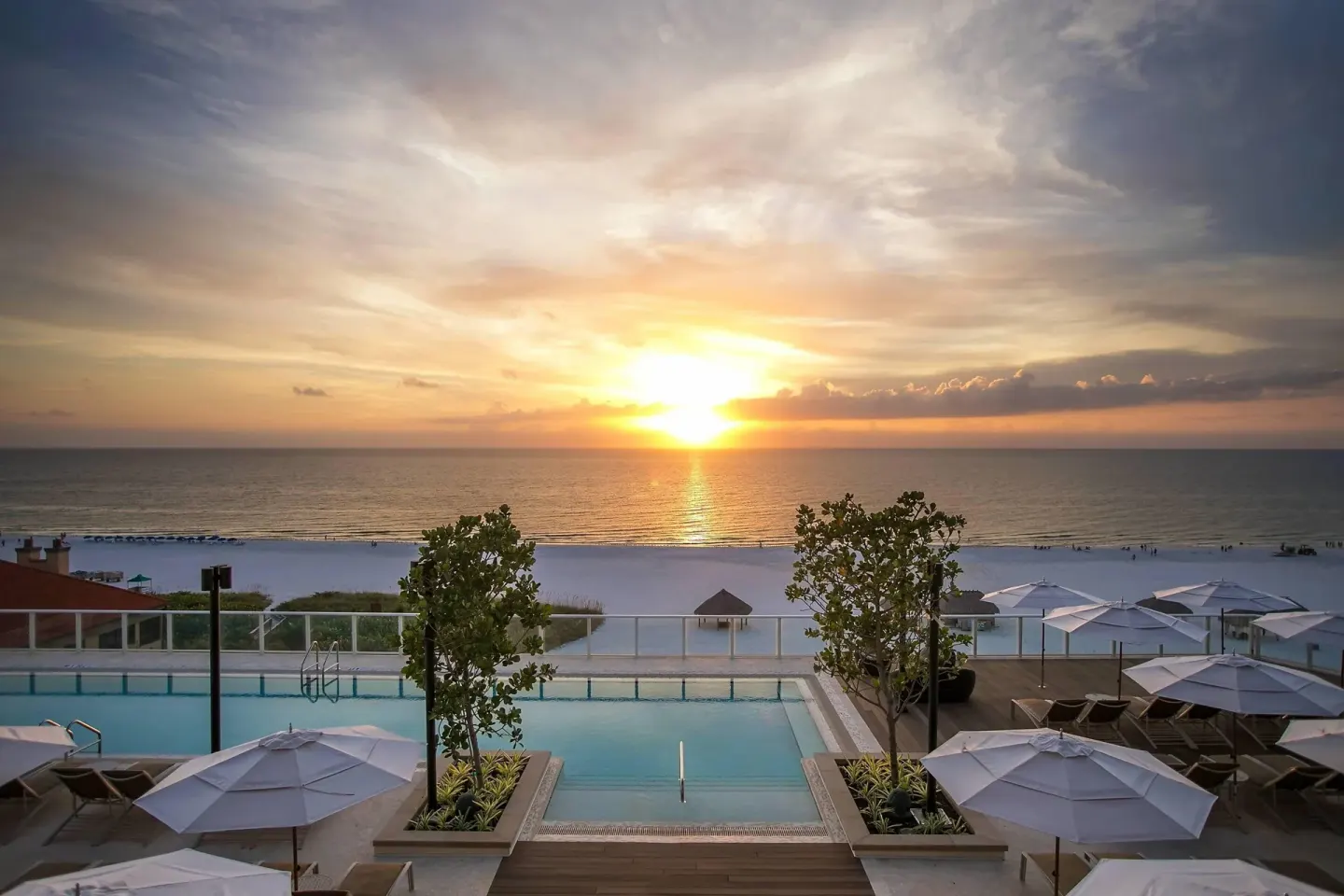
| Paradise by Sirene (21+) | Adults-only enclave with rooftop pool and private beach access |
| Spa by JW | Spa open daily (8:30 AM–5:30 PM) — book treatments in advance |
January–February: Winter peak — steady weather and manatee season
January and February are part of the dry-season high season: daytime highs are mild and humidity is low, which many visitors prefer for beach walks and outdoor excursions.
Manatees are more likely to gather in warmer backwaters like Rookery Bay during these months, making wildlife-spotting boat tours more productive than in summer.
- Weather: mild days, cool nights (average winter highs around mid-70s°F per seasonal data).
- Crowds: higher demand — book popular dining (Ario, Quinn's on the Beach) and watersports early.
- Best for: wildlife viewing, shelling trips, and avoiding summer humidity.
| What to expect | Tips |
|---|---|
| Calmer seas and clear mornings | Reserve outdoor dining on the beach for sunset views |
| Higher occupancy | Book Spa by JW treatments and preferred room types in advance |
| Good wildlife viewing | Bring binoculars for dolphin and manatee spotting |
March–April: Best single-months for weather and activities
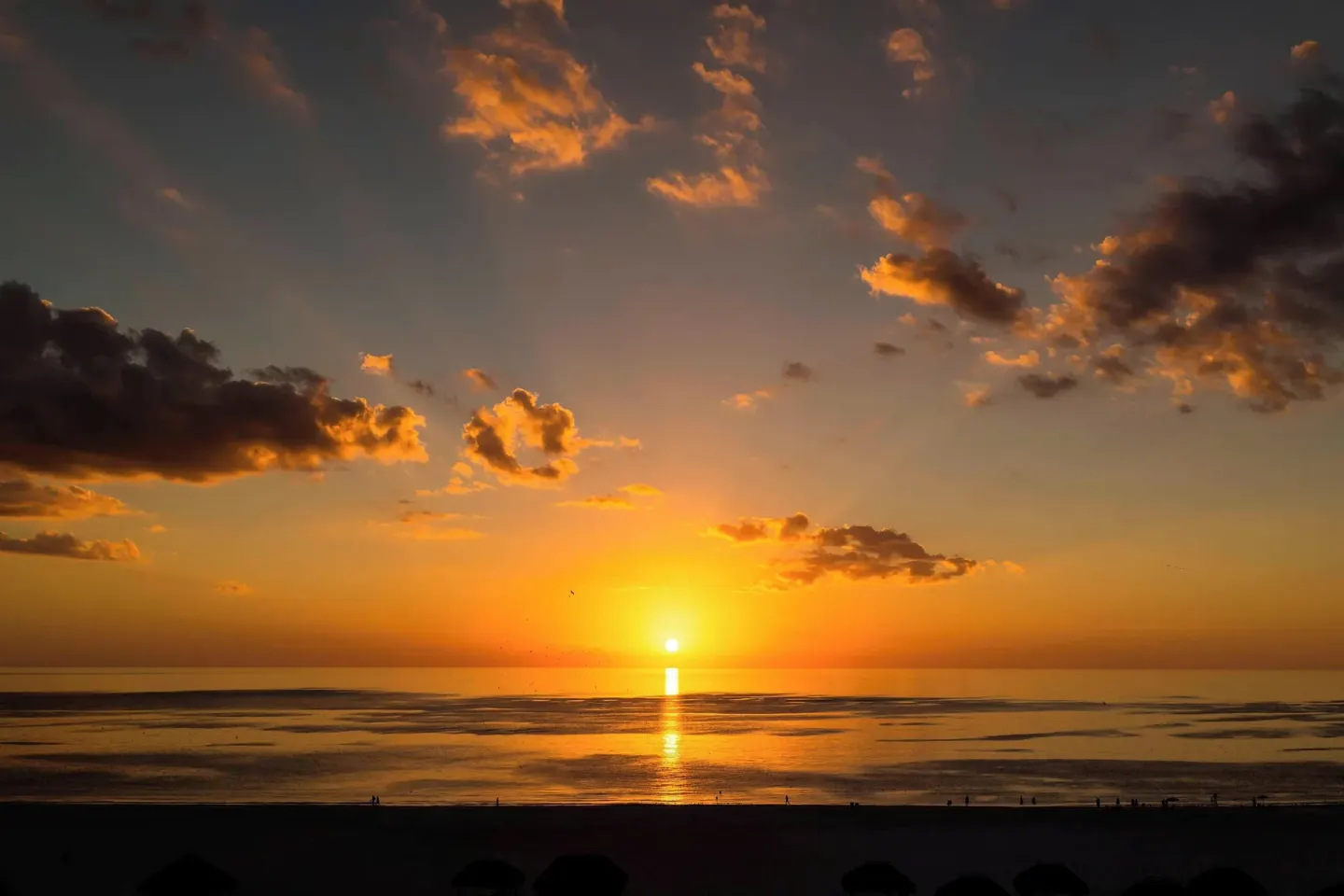
March is often cited as the single best month to visit for warm but not overly hot weather, lower humidity, and lots of activities still operating on normal schedules.
April is one of the clearest months, with plenty of sunny days and warm water for swimming; it can be slightly less crowded after spring break, depending on the calendar year.
- Weather: warm days and lower chance of storms — ideal for kayaking, windsurfing and boat tours.
- Crowds: still elevated in March; late April can be quieter depending on school breaks.
- Best for: beach time, half-day Ten Thousand Islands excursions, and dining al fresco at Quinn's on the Beach or Kane Tiki Bar & Grill.
| Month | Why go |
|---|---|
| March | Balanced weather and active season events |
| April | Clear skies and warm water; good shoulder-season value |
May–June: Shoulder season — warm water and emerging storms
May is a transitional month: water temperatures rise, beach days increase and visitor numbers start to moderate after the spring crowds.
By June the wet season activity grows; expect hotter days and a greater chance of afternoon thunderstorms while many operators begin to offer lower rates.
- Weather: warmer days and increasing humidity; afternoon storms become more common by June.
- Value: shoulder-season pricing can make suites and Gulf-front rooms more affordable.
- Best for: travelers who want warm water and fewer crowds but accept occasional rain.
| Planning note | Action |
|---|---|
| Want a quieter stay with warm water? | Aim for May rather than later summer |
| Prefer lower nightly rates | Consider early June bookings before peak hurricane outlooks |
| Booking activities | Schedule morning boat trips to avoid afternoon storms |
July–August: Hottest months — families, summer activities and turtles
July and August bring the year’s highest temperatures and humidity; these months are also sea turtle nesting season on Marco Island (roughly May–October).
Family-friendly resort features — the Tiki Pool waterslide, children’s pool and supervised children’s activities — remain active, and on-site dining like Mosaico and 10K Alley are convenient for families.
- Weather: hottest part of the year — daytime highs often around 90°F.
- Wildlife: turtle nesting season runs through October; nights on the beach may include protected nesting activity.
- Best for: families who want resort amenities and aren’t deterred by afternoon storms.
| Guest type | Why visit now |
|---|---|
| Families | Pools, waterslide and kids’ activities are fully active |
| Budget travelers | Lower midweek rates and package deals can appear |
| Nature watchers | Evenings may include sea turtle nesting observations (follow local guidance) |
September–October: Low season and quieter beaches — watch the weather
September and October fall inside the wet and hurricane season window; expect higher odds of storms but also lower occupancy and better room availability.
If you travel in these months, consider refundable plans or travel insurance and book morning activities when tropical downpours are less likely.
- Weather: warm with frequent afternoon or evening thunderstorms and elevated tropical storm risk.
- Rates & rooms: more availability across room types, including Gulf Front View, Guest room, Balcony and suites.
- Best for: travelers prioritizing lower rates and quiet beaches who can accept variable weather.
| Safety tips | Recommendation |
|---|---|
| Hurricane season concerns | Monitor forecasts and consider flexible bookings |
| Outdoor plans vulnerable to storms | Schedule sunrise or morning excursions |
| Want quieter dining and beach access | This is a good window for off-peak visits |
November–December: Return to dry-season conditions and holiday demand
November brings the return of drier weather, steady temperatures and calmer waters — an attractive time for beach activity, spa treatments at Spa by JW, and boat trips into the Ten Thousand Islands.
December sees holiday demand and busier dining and event spaces; if you plan to visit during Thanksgiving or the December holidays, reserve rooms and dining (Ario, Tesoro) well ahead.
- Weather: dry-season conditions with comfortable daytime temperatures.
- Crowds: demand increases toward late December and holiday periods.
- Best for: comfortable beach days, manatee season beginning, and spa-focused breaks.
| Holiday planning | Tip |
|---|---|
| Traveling for a holiday | Book early for preferred room types and event venues |
| Want quieter November weather | Early November often has good availability and nice weather |
| Spa and fitness classes | Reserve Spa by JW treatments and morning beach yoga in advance |